

By Doug Gillies, MBA | Real Estate Broker


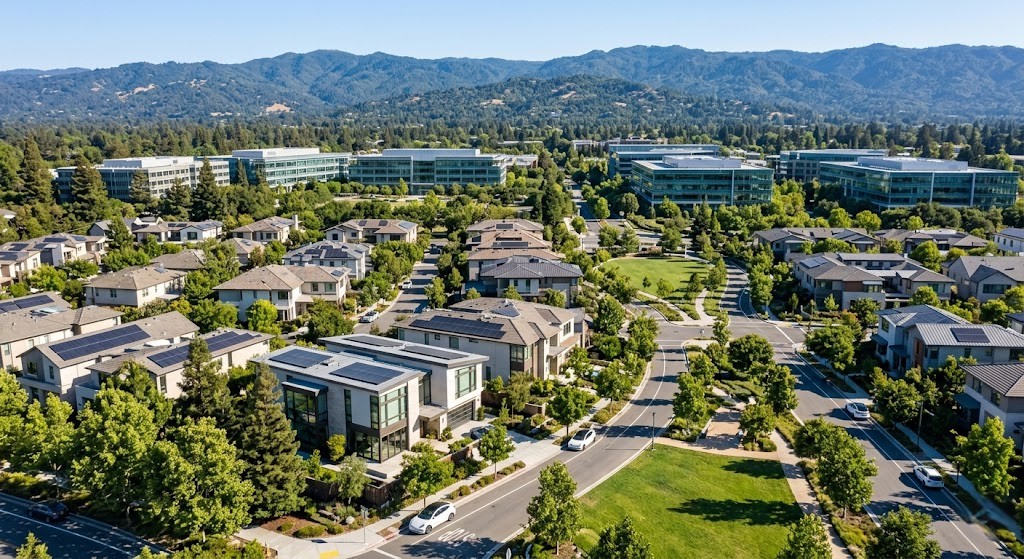
1. The State of the San Francisco Bay Area Real Estate Market in 2026 — What Serious Buyers Must Understand First
Real estate San Francisco is emerging as one of the top-performing real estates in the world, driven by numerous factors. If you’re seriously looking at houses for sale bay area, know that this isn’t a simple market. Prices, competition, and even demand can change a lot depending on exactly where you’re buying. Area of the property, its’ neighborhoods, and amenities it offers directly impacts the affordability.
Prices Vary a Lot by Location
Inventory has been tight in many parts of real estate San Francisco Bay Area, due to AI surge, increased job opportunities, and expanding biotech companies. According to the reports, home prices have increased by 19.9% with a median price of $1.7M. Some homes still sell quickly, especially in desirable neighborhoods, while others sit a bit longer depending on pricing. When it comes to houses for sale bay area, competition is still there, you just have to know where and when to act.
Inventory and Competition Still Matter
Real Estate San Francisco Bay Area is surprisingly flourishing in 2026 with median home values approximately $1.3 million to $1.38 million. These prices are expected to increase over the year in a consistent pattern, making realtors and buyers to predict and be prepared. This pattern of consistency and expectancy stabilizes the market more.
How Tech and Remote Work Are Shaping Demand
The tech industry still plays a major role in real estate San Francisco and the broader Bay Area. At the same time, remote and hybrid work have changed buying patterns. Buyers now prefer a comfortable working space; therefore, they plan and invest strategically. Those who wish to stay in the main city prefer accessibility while some move out of the main city, close to nature, prioritizing peace and comfort. This shift is creating new pockets of demand across the region.
Interest Rates Are Changing Buyer Behavior
Interest rates are impacting how much buyers can afford. According to statistics, currently, the 30-year fixed mortgage are hovering around 6.276%. Even small changes can shift budgets significantly, which is why some buyers are adjusting expectations or targeting different areas within real estate San Francisco Bay area to secure a nice and affordable property.
Why 2026 Still Has Opportunities
Even in a competitive market, timing matters. Certain properties receive multiple offers but if you have done the homework properly, you can step ahead of the crowd. Getting a pre-approval, knowing HOA fees trends, and chipping in when the time is right is a skill that is taught by licensed professionals to their clients. Therefore, despite financial stability, one can lose a nice property if they don’t know how to act properly and on time. Sometimes, slower markets prove to be profitable, while on other days, properties get sold the moment they are announced. Only buyers who are prepared tend to benefit the most.
Why Local Expertise Makes a Huge Difference
This isn’t a market where general advice works. Working with experienced realtors in San Francisco CA who understand specific neighborhoods can help you avoid overpaying and spot better opportunities. Local knowledge often makes the difference between a good deal and a missed one. That is why, we always advice our clients to go with local experts for their homes.
How Buying Support Has Evolved
Today’s San Francisco real estate services go beyond just showing homes. Agents are using data, off-market networks, and strategy to help buyers compete in a complex market. It’s less about just finding a home and more about positioning yourself to actually win it.
Understanding how this market works upfront makes everything else easier, especially when you start narrowing down neighborhoods and making real decisions.
2. San Francisco City Neighborhoods — What Houses for Sale Look Like Block by Block
When people talk about houses for sale bay area, San Francisco itself is a whole different level. Even within the city, things can change block by block, pricing can vary, and services offered creates a whole new perspective for buyers to choose and decide.
Pacific Heights and Presidio Heights
These are some of the most prestigious neighborhoods in real estate San Francisco. Homes here are limited, and when they do come up, they command serious prices. You’re paying for location, views, and exclusivity. It’s not a high-volume market, but it’s one of the most desirable.
Noe Valley
Noe Valley is known for its rare sunny weather and strong community feel. It’s especially popular with families, which makes it one of the more competitive spots in houses for sale bay area. Homes don’t sit long here, and demand usually stays high.
Mission District
The Mission has a completely different energy. It’s vibrant, diverse, and still evolving. You’ll find a wider range of pricing compared to other parts of San Francisco Bay area real estate, but buyers should also understand the ongoing changes in the neighborhood.
Richmond and Sunset
If you’re looking for relatively more affordable homes in real estate San Francisco, Richmond and Sunset are often where buyers start. They offer a strong sense of community, more space compared to central areas, and slightly lower price points, though still competitive by national standards.
SOMA and Dogpatch
These areas lean more toward city living. SOMA and Dogpatch are known for modern developments and proximity to tech hubs. While they’re more condo-heavy, there are still some single-family opportunities within San Francisco real estate services listings if you look closely.
Bernal Heights and Glen Park
These neighborhoods are a bit more low-key but highly valued. They’ve seen strong appreciation over time and have a tight-knit, local feel. Buyers who know the market well often keep an eye here when searching through realtors in San Francisco ca.
What Prices and Lifestyle Really Look Like
Pricing varies widely across these neighborhoods. Some areas are clearly luxury-focused, while others offer slightly more accessible entry points. But beyond price, each neighborhood offers a different lifestyle, commute times, school access, walkability, and overall feel all play a role.
In San Francisco, choosing the right neighborhood isn’t just about budget, it’s about finding the right fit for how you actually want to live day to day.
3. East Bay Neighborhoods — The Most Competitive Value Play in San Francisco Bay Area Real Estate
If San Francisco prices feel out of reach, a lot of serious buyers are shifting their focus to the East Bay. It’s become one of the most practical ways to get more value while staying connected to the city, especially when exploring houses for sale bay area.
Oakland (Rockridge & Temescal)
Rockridge and Temescal are two of Oakland’s most popular neighborhoods. They offer a mix of walkability, restaurants, and a strong local vibe, similar to parts of San Francisco, but often at a lower price point. That’s why buyers looking at real estate San Francisco Bay area are increasingly considering Oakland as a smart alternative.
Berkeley
Berkeley has a unique appeal thanks to the university and its established community feel. There’s a wide range of housing, from older character homes to updated properties. Demand tends to stay strong here, which helps support long-term value in San Francisco Bay area real estate.
Fremont and Newark
If you want something more suburban with easier access to Silicon Valley, Fremont and Newark are solid options. You’ll find newer homes, family-friendly neighborhoods, and proximity to major job centers. For buyers trying to balance commute and cost, these areas often come up when working with realtors in San Francisco ca.
Pleasanton and Dublin
These areas are especially popular with families. Pleasanton and Dublin offer top-rated schools, planned communities, and a quieter suburban lifestyle. Homes here tend to hold value well, which makes them appealing for long-term buyers in houses for sale bay area.
Walnut Creek and Lafayette
If you’re looking for something more upscale outside the city, Walnut Creek and Lafayette stand out. They combine strong quality of life, good schools, and access to BART for commuting. Prices are higher than other East Bay areas, but still often more reasonable than comparable homes in real estate San Francisco.
What Pricing Looks Like in the East Bay
Across the East Bay, prices are generally lower than San Francisco but still competitive. What changes is what you get for your money. More space, newer construction in some areas, and quieter neighborhoods are common trade-offs.
Why More Buyers Are Being Guided Here
Many agents are actively steering buyers toward the East Bay for one simple reason, value. Compared to similar properties in San Francisco, East Bay homes often offer better pricing for the same (or even better) features. That’s why more buyers searching San Francisco real estate services are expanding their search here.
How East Bay Value Compares to San Francisco
The difference can be pretty noticeable. For the same budget, you might get a smaller home in San Francisco or a larger, newer property in the East Bay. That flexibility is what makes the East Bay one of the strongest values plays right now in San Francisco Bay area real estate.
For buyers who are open to exploring beyond the city, the East Bay offers a mix of affordability, lifestyle, and long-term potential that’s hard to ignore.
4. Peninsula, South Bay and Marin — Premium San Francisco Bay Area Real Estate Markets
Once you move beyond San Francisco and the East Bay, you get into some of the most expensive and in-demand areas in San Francisco Bay area real estate. These markets attract buyers who are looking for top-tier locations, strong long-term value, and close access to major job centers.
Palo Alto and Menlo Park
These two are right in the heart of Silicon Valley. Palo Alto and Menlo Park consistently rank among the most expensive houses for sale bay area. A big reason is proximity to major tech companies, plus top-rated schools and a very limited supply of homes.
Burlingame and San Mateo
Burlingame and San Mateo offer a slightly more relaxed alternative while still being on the Peninsula. You get strong schools, well-kept neighborhoods, and easy access to both San Francisco and Silicon Valley. These areas are popular for buyers who want balance within real estate San Francisco Bay area.
San Jose and Santa Clara
San Jose is the largest city in the Bay Area, and along with Santa Clara, it offers a wide range of options. From more affordable entry points to higher-end properties, there’s something for different budgets. Being in the middle of the tech hub keeps demand steady in houses for sale bay area.
Sunnyvale and Mountain View
These cities are especially attractive for investors. With their proximity to major tech campuses, Sunnyvale and Mountain View see consistent rental demand. Newer developments and steady appreciation make them a key part of San Francisco real estate services searches.
Investors vs. Primary Home Buyers
Different buyers look at these areas in different ways. Investors often focus on rental demand and long-term appreciation, especially in tech-heavy zones. Primary home buyers, on the other hand, may prioritize schools, commute, and lifestyle when choosing within San Francisco Bay area real estate.
How Each Submarket Feels Different
What works in one area doesn’t always apply to another. That’s why San Francisco real estate services tend to be more specialized here. Each submarket has its own pricing trends, buyer behavior, and expectations. Understanding those differences is key to making the right decision.
These premium areas offer some of the strongest long-term value in the Bay Area but choosing the right one depends on your goals, budget, and how you want to live day to day.
5. How to Choose the Right Bay Area Neighborhood for Your Goals — And Why Douglas Gillies Is the Right Guide
With so many options across San Francisco Bay area real estate, choosing the right neighborhood can feel overwhelming. The truth is, there’s no “one best area” it really depends on what matters most to you.
Focus on What Actually Impacts Your Daily Life
Price is important, but it’s not everything. Commute time, school quality, lifestyle, and even future appreciation potential all play a role. A home that looks perfect on paper might not feel right if the location doesn’t match your routine or long-term plans when browsing houses for sale bay area.
Compare Neighborhoods the Right Way
It’s easy to compare homes based on price alone, but that doesn’t tell the full story. Two homes at the same price in different areas can offer completely different value. Looking at factors like demand, resale potential, and neighborhood growth helps you make a smarter decision in real estate San Francisco Bay area.
Why Local Expertise Really Matters
This isn’t a market where general advice works. Experienced realtors in San Francisco CA bring hyperlocal knowledge, things you won’t find online. From understanding micro-markets to knowing how competitive certain streets or neighborhoods are, that insight can save you from overpaying or choosing the wrong area.
Douglas Gillies’ Approach Across the Bay Area
Douglas Gillies doesn’t just focus on one part of the region. His San Francisco real estate services cover the full Bay Area, with real knowledge of each submarket, from San Francisco to the Peninsula, East Bay, and beyond. That means you’re not limited to one perspective when making a decision.
Matching Buyers with the Right Properties
Every buyer is different, and the right home isn’t always the most obvious one. Douglas focuses on understanding your goals first, then narrowing down options that actually fit. This approach helps serious buyers navigate San Francisco Bay area real estate more confidently.
A Strong Network Makes the Process Smoother
Buying in the Bay Area often requires more than just an agent. Having access to reliable lenders, inspectors, and attorneys across different submarkets can make the process faster and less stressful. It’s one of those behind-the-scenes advantages that really helps when things get competitive.
Take the Next Step
If you’re serious about buying, getting clarity early can make a huge difference.
Contact Douglas Gillies today for a free neighborhood consultation and buyer strategy session and move forward with a clear plan in the Bay Area market.
8. Frequently Asked Questions (FAQs)
The AI boom is driving a major resurgence in the San Francisco real estate market in early 2026, making it one of the nation's hottest seller's markets. Housing costs have increased, particularly in prominent regions, due to a severe shortage of available inventory and increasing demand. There is fierce competition for single-family homes.
Many entry-level single-family homes or condos in neighborhoods like Excelsior, Portola, and Bayview are priced between $900K and $1.2M. In San Francisco's high-cost market, a household income of at least $250,000 is usually needed to purchase a $1M+ home. Buyers frequently have to settle for condos with expensive HOA dues or make sizable down payments.
As of April 2026, In San Francisco, California, the average annual compensation for a real estate agent is $104,330.
As of April 2026, In San Francisco, California, the average annual compensation for a real estate agent is $104,330.
In San Francisco, real estate taxes typically range from 1.18% to 1.2% of the assessed value of a property, which is often the purchase price. This comes to about $12,000 a year for a $1 million house. Voter-approved bonds and the standard 1% statewide tax are included in the rate.
Post Tags:
Share This :
Latest Post
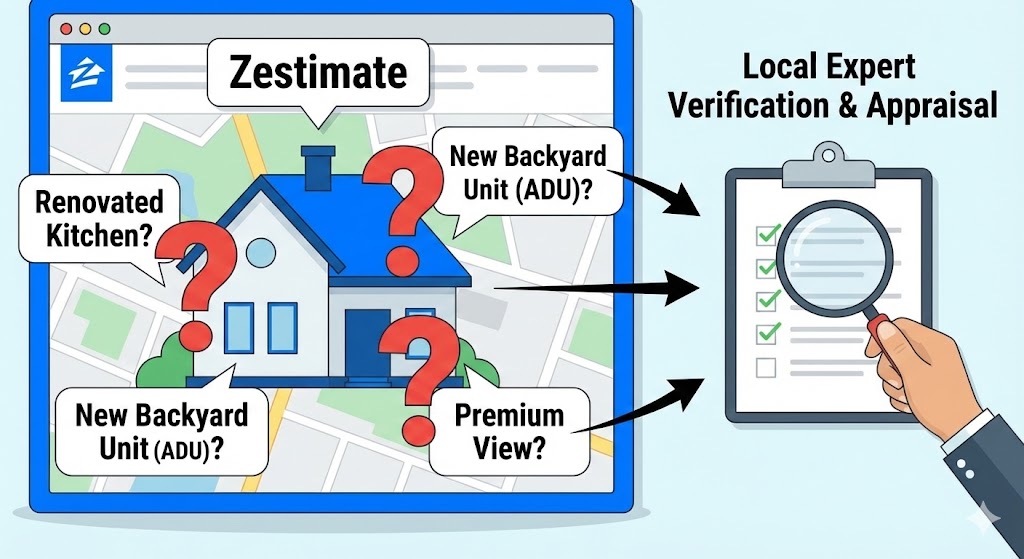 Accurate Home Valuation San Francisco vs Zillow 14 Feb 2026

Stay updated with insights
Subscribe to our newsletter and never miss the let latest articles, blogs, and actionable info in business effectively.
No content is added yet.
02/ Related Article
